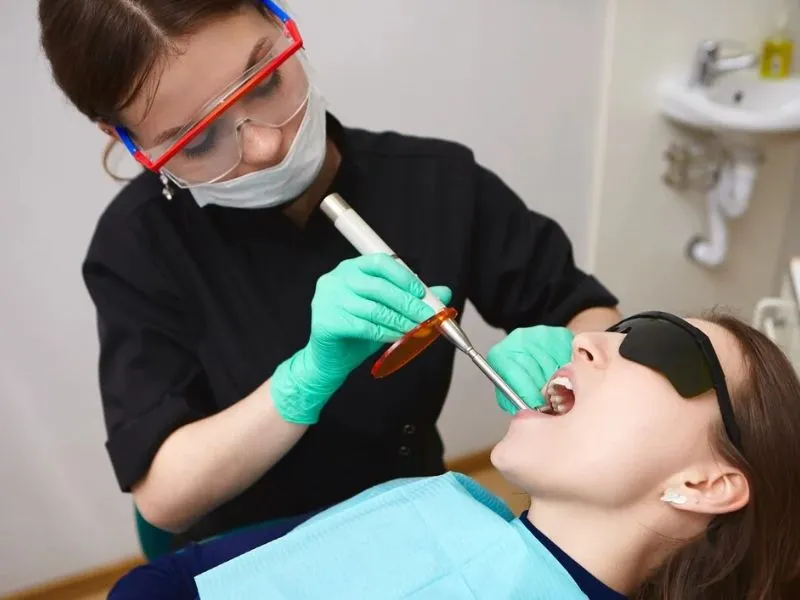
Your teeth cleaning can happen in two ways: the traditional method with hand tools and water or the newer air polishing method that uses tiny powder particles. Both clean your teeth well. The right choice depends on whether you have sensitive teeth, heavy stains, or buildup. A dentist in SE Calgary can help you decide which method works best for your mouth.
Why You Have Choices
For years, there was only one way to clean your teeth. A dentist near you used metal hand tools and an ultrasonic scaler (a tool that vibrates really fast). Ultrasonic scaling worked fine and still does.
After that, air polishing came. It is a newer technology that cleans with a different process. Instead of scraping, it uses a puff of powder on your teeth. It is welcomed by some. Some people choose the conventional option. Both options are good, in fact. You merely must know what each one does.
How Traditional Scaling Works
What Happens
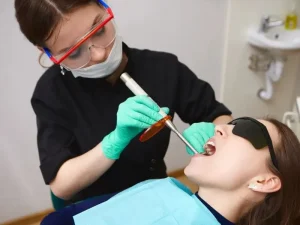
Traditional scaling uses two main tools. The first is a hand scaler, which is a thin metal tool with a sharp edge. Your dentist uses it to gently scrape away buildup called tartar (also called calculus). Tartar is hardened plaque that your toothbrush cannot remove.
The second tool is called an ultrasonic scaler. This tool vibrates about 40,000 times per second. The vibration loosens tartar and plaque. Water sprays to wash away the debris.
Both tools together clean all the buildup off your teeth and below your gum line.
What You Feel
- Soft scraping noises.
- Water squirting inside your mouth.
- Utilizing Force for Work
- At times, a light tickle or tingle.
- Your gums may be swollen and sensitive.
How Long It Takes
Traditional cleaning usually takes thirty to forty-five minutes depending on how much buildup you have.
How Air Polishing Works
What Happens
Air polishing in SE Calgary uses compressed air and a special powder mixed with water. The tool shoots this powder mixture onto your teeth at high pressure. The powder gently removes stains and buildup without scraping. It works kind of like a tiny sandblaster, but much gentler.
The powder particles are so small you barely feel them. The tool does all the work. Your dentist does not have to use physical scraping motions.
What You Feel
- A gentle spray sensation
- Mild pressure against your teeth
- A slight taste of the powder (usually flavoured)
- No vibration or scraping
- Minimal sensation overall
- Feels almost like a light shower on your teeth
How Long It Takes
Air polishing is usually faster than traditional scaling. It often takes twenty-five to thirty-five minutes.
Air Polishing vs Scaling
| Feature | Traditional Scaling | Air Polishing |
| How It Works | Metal tools scrape and ultrasonic vibration | Compressed air shoots gentle powder |
| Buildup Removal | Excellent for heavy buildup | Very good for light to moderate buildup |
| Stain Removal | Good stain removal | Excellent stain removal |
| Sensitivity | Can bother sensitive teeth | Much gentler on sensitive teeth |
| Time Needed | 30–45 minutes | 25–35 minutes |
| Vibration | Yes, significant | No vibration |
| Scraping Feeling | Yes, you feel scraping | No scraping feeling |
| Cost | Usually standard | May cost a little more |
| Splash and Spray | Moderate water spray | More spray and mist |
| Below Gum Line | Works well | Works well |
When Traditional Scaling Works Better
Traditional scaling is your best choice if:
- You have heavy buildup or tartar on your teeth
- You have not had a cleaning in a long time
- You have thick plaque buildup below your gum line
- You do not mind the vibration and scraping sensation
- You want a deep cleaning
If your teeth have not been cleaned in years, the buildup might be too heavy for air polishing alone. Traditional scaling with the ultrasonic tool breaks it up faster.
When Air Polishing Works Better
Choose air polishing if:
- Your teeth are sensitive and hurt easily.
- Coffee, tea, or red wine stains are present.
- Gum disease or inflammation is present.
- You are looking for a fun way to help clean.
- You do not like the vibrating feeling
- You have dental implants or crowns
Air polishing is so gentle that it works great for people with tender gums or sensitive teeth. It removes stains better than traditional tools because the powder reaches every spot.
Gentle Teeth Cleaning for Sensitive Teeth
If your teeth are sensitive, you know how painful regular cleaning can be. Some people put off cleanings because they dread the discomfort.
Air polishing changes this. It is so much gentler that many sensitive-toothed people say it does not hurt at all. You still get a thorough clean. You just do not have pain.
This matters more than you might think. If you actually go for cleanings because it does not hurt, you stay healthier. Prevention is easier than treatment.
Stain Removal During Dental Cleaning
Both methods remove stains, but air polishing does it better in most cases. The powder particles get into small grooves and between teeth where scraping tools cannot reach as easily.
If you drink a lot of coffee, tea, or wine, you know how stains build up. Air polishing removes these stains more completely. Your teeth look brighter after cleaning.
What Your Dentist Recommends
Your dentist considers several things:
- How much buildup you have
- Whether your teeth are sensitive
- How often you get cleanings
- What kind of stains you have
- Your personal preference
- Your gum health
Some people need traditional scaling first to remove heavy buildup, then air polishing for finishing touches. Some people can use air polishing alone every time.
The Honest Truth
Both methods clean your teeth well. Neither one is perfect for everyone. The best method is the one that works for your specific teeth and makes you comfortable.
If you have never tried air polishing, ask your dentist about it. If you have sensitive teeth and hate your cleanings, air polishing might change how you feel about dental visits.
Find the Perfect Cleaning Method for Your Teeth
You deserve a teeth cleaning that does not hurt and leaves your mouth feeling fresh. Whether you choose traditional scaling or air polishing, the important thing is that you keep getting cleanings every six months. Clean teeth are healthy teeth. Healthy teeth last longer.
Concept Dentistry helps you find the cleaning method that works best for you. Our team listens to your concerns about sensitivity. We explain both options clearly. We make sure your cleaning is comfortable and thorough. Call today and discover which cleaning method will make you look forward to your next visit.
FAQs
Which is better: air polishing/regular scaling?
They both are good, but air polishing is a superior treatment for polishing and stain removal, as it is less aggressive and more effective. Conventional scaling is great for more substantial deposits and underneath the gum line.
Is air polishing painful?
No, air polishing is very gentle and usually does not hurt, even for people with sensitive teeth, making it a better choice if you have had pain during cleanings before.
Can air polishing remove all buildup?
Yes, air polishing removes most buildup, but if you have very heavy tartar from years without cleaning, your dentist might use traditional scaling first.
Is air polishing more expensive?
Air polishing sometimes costs a little more, but many dentists charge the same price for both methods, so ask your dentist about the cost.