Concerned about how teeth whitening affects sensitivity? Well, having white teeth is not always achieved without experiencing some degree of sensitivity. Professional teeth whitening near you will be done taking into account the state of your teeth, your gums, and your level of sensitivity. You may experience temporary sensitivity after the procedure while consuming either cold or hot drinks, or you may experience little or no sensitivity at all.
Understanding these possible effects can help set realistic expectations before choosing a whitening treatment.
What Happens During Teeth Whitening?
Teeth whitening in SE Calgary uses professional whitening products to help reduce certain stains and brighten the natural appearance of the teeth. The process does not remove the outer layer of the tooth.
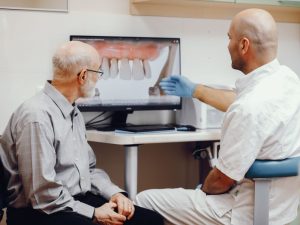
Before whitening, the teeth and gums may be checked for concerns that could affect treatment, such as:
- Cavities
- Cracked or damaged teeth
- Gum irritation
- Existing sensitivity
- Staining that may not respond well to whitening.
This assessment helps determine whether whitening is appropriate.
Why Can Teeth Whitening Cause Sensitivity?
Sensitivity is one of the more common temporary effects of whitening. Some whitening ingredients can temporarily make the teeth more responsive to cold, heat, or air.
Sensitivity may feel like:
- A short, sharp sensation
- Discomfort when drinking something cold
- Increased reaction to hot foods or drinks
- Temporary tenderness in the teeth
The level and duration can vary from one person to another.
How Long Does Whitening Sensitivity Last?
While for most individuals the sensitivity is only temporary and subsides once the procedure for whitening is over, this period may vary depending on the process used and the state of the teeth.
Sensitivity may be more noticeable when:
- Teeth are already sensitive.
- Stronger whitening products are used.
- Whitening is performed too frequently.
- The teeth or gums have existing concerns.
Persistent or severe sensitivity should be discussed with a dentist near you.
Can Whitening Cause Other Side Effects?
Temporary gum irritation can occur if whitening products come into contact with the gums. The gums may feel tender or look slightly irritated for a short period.
Other possible effects include:
- Temporary tooth sensitivity
- Mild gum irritation
- Uneven whitening
- Increased awareness of existing sensitivity
These effects do not occur in every patient.
Is Professional Whitening Safer for Sensitive Teeth?
A safe teeth whitening dentist can first check for dental concerns that may make whitening uncomfortable or unsuitable. Professional treatment can also be adjusted based on individual needs rather than using the same approach for everyone.
A dentist in SE Calgary may recommend delaying whitening if there are untreated cavities, significant sensitivity, gum problems, or other concerns that should be addressed first.
How Can You Reduce Whitening Sensitivity?
A few simple steps may help make the period after whitening more comfortable:
- Avoid very cold or hot foods if they trigger sensitivity.
- Follow the recommended whitening schedule.
- Do not use whitening products more often than directed.
- Use oral care products recommended for sensitive teeth when appropriate.
- Tell the dental team about existing sensitivity before treatment.
Following professional instructions is important because more whitening does not necessarily mean better results.
Does Whitening Damage the Teeth?
When an appropriate whitening method is used as directed, professional whitening is designed to reduce stains without intentionally removing tooth structure. However, whitening is not suitable for every dental condition.
It also does not whiten dental restorations such as crowns, fillings, or veneers in the same way as natural teeth. Existing restorations may therefore look different after natural teeth are whitened.
Ready to Brighten Your Smile With Greater Comfort?
A comfortable whitening experience begins with knowing whether your teeth and gums are ready for treatment and understanding what may affect sensitivity. Book an appointment with Concept Dentistry to discuss your desired results, review your current oral health, talk through any sensitivity concerns, and learn which whitening option may best suit your individual needs.
FAQs
Can sensitive teeth still be whitened?
Sometimes. Existing sensitivity should be discussed before treatment so the teeth can be assessed and an appropriate approach can be considered.
Can whitening make gums sore?
It can. Temporary gum irritation may occur if whitening material contacts the gum tissue. Persistent irritation should be evaluated.
Is stronger whitening always better?
No. Using a stronger product or whitening more often does not guarantee a better outcome and may increase sensitivity or irritation.
Can cavities make whitening uncomfortable?
Yes. Untreated cavities can contribute to sensitivity, so dental concerns should be checked before whitening is started.